
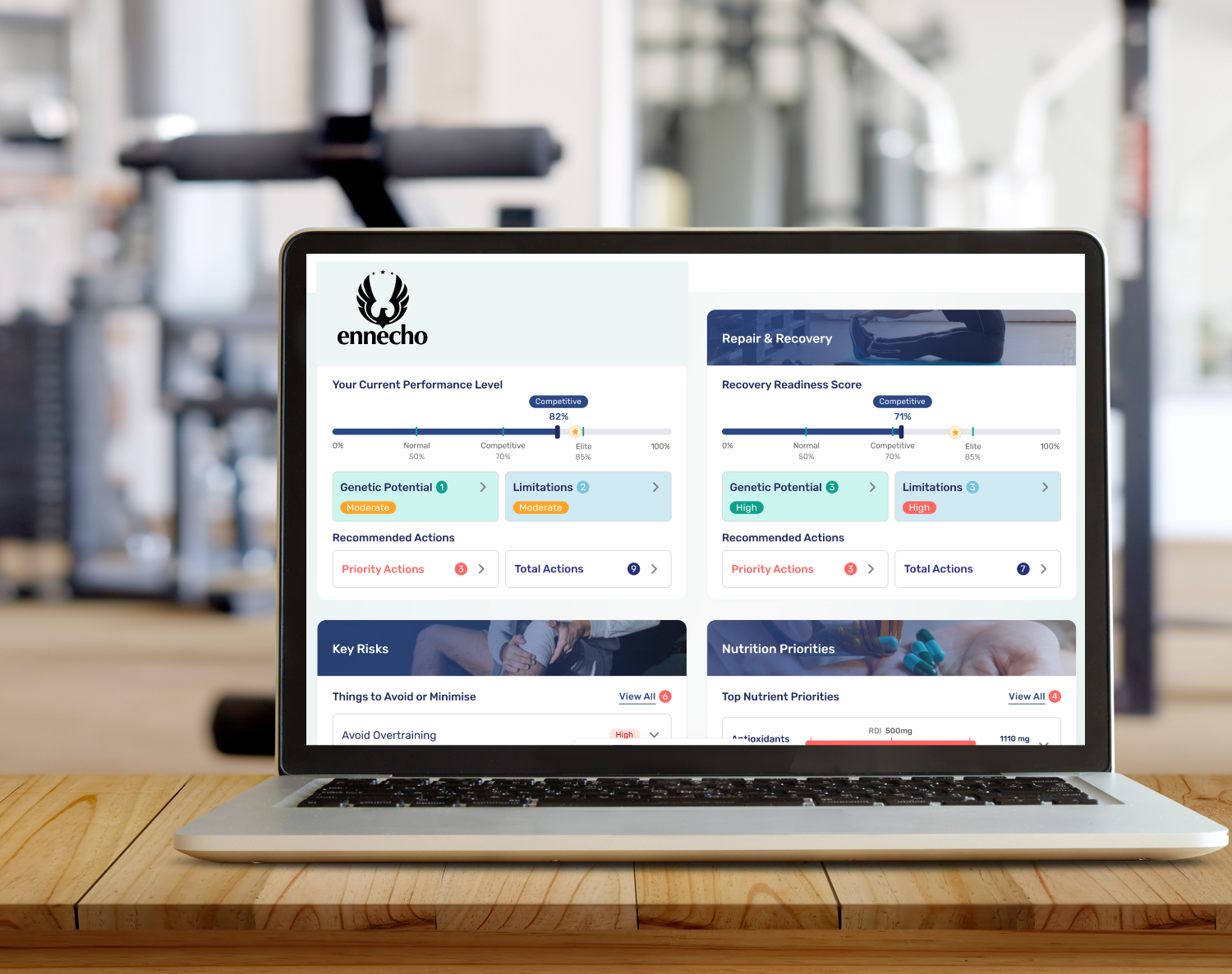
Cellular & Metabolic Performance Testing
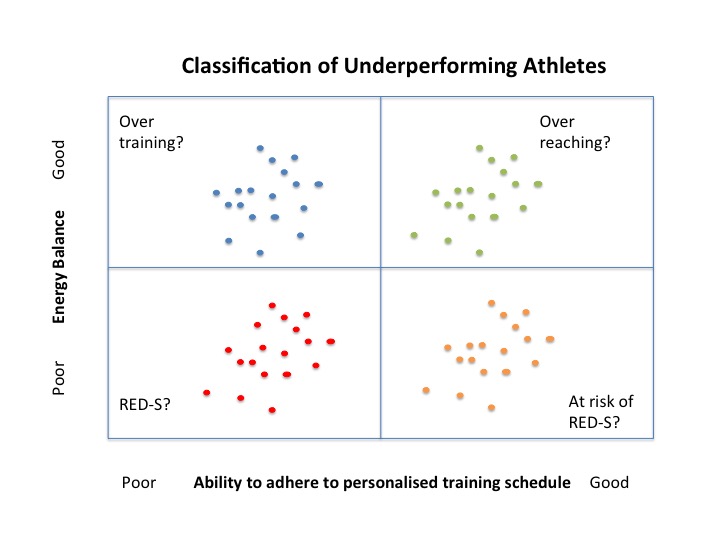
Ennecho performs quarterly blood lab testing for its athletes to validate and identity any cellular enhancements to ensure top performance and player growth. Our team looks at among other things - RED-S: Relative Energy Deficiency in Sport to ensure each athlete performs at their very highest level.
Performance Blood Testing
We elevate athletic performance through personalized, quarterly blood biomarker testing. Our clinical team uses these baselines to build custom strategies that help you track, maintain, and maximize your growth.
Blood Biomarker Testing
Biomarkers serve as essential biological indicators, revealing how an athlete’s body responds to environmental factors and physiological stress. The process begins with a comprehensive blood analysis, which informs targeted adjustments to diet, training, and lifestyle. By re-testing every three to five months, athletes can objectively measure the chemical impact of these changes. This iterative cycle of testing and refinement is critical for maintaining the body at its absolute peak.
Performance Maintenance
Ennecho provides its athletes with state of the art nutraceutical formulas manufactured in an Ennecho partnered faculty in Florida.
Defining success with clinical lab data
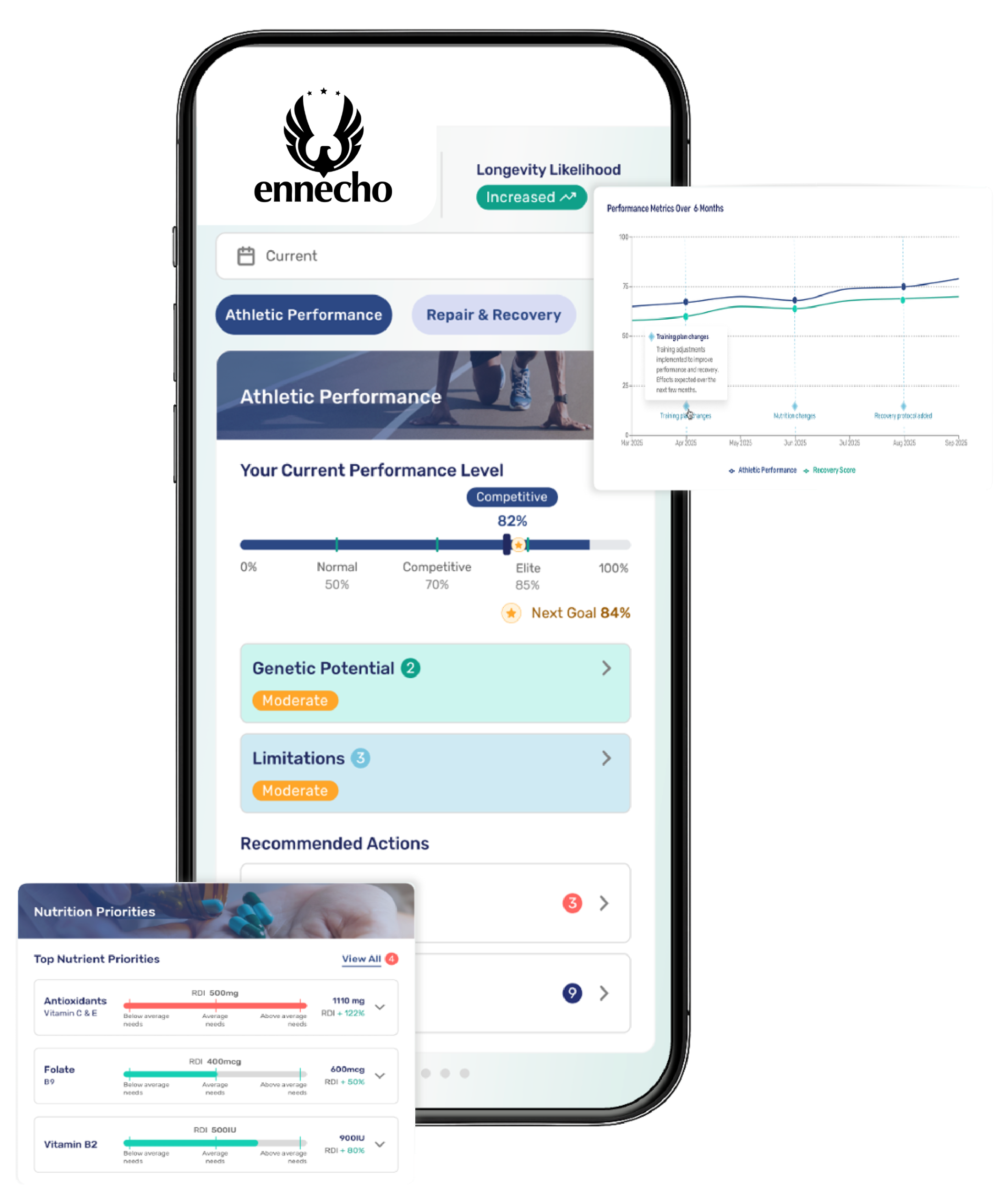
In the world of elite athletics, blood biomarker testing acts as an internal dashboard. By revealing insights into nutritional gaps, hormonal health, and recovery markers, it empowers athletes to fine-tune their biology for peak performance and longevity.
Blood Biomarker Testing
Biomarkers serve as essential biological indicators, revealing how an athlete’s body responds to environmental factors and physiological stress. The process begins with a comprehensive blood analysis, which informs targeted adjustments to diet, training, and lifestyle. By re-testing every three to five months, athletes can objectively measure the chemical impact of these changes. This iterative cycle of testing and refinement is critical for maintaining the body at its absolute peak.
Key area's we focus on for top performance
Biomarker testing is a way to gain an edge over other clubs or athletes. Understanding and tweaking what is happening inside an athlete’s body allows for changes that are directly catered towards the athlete’s needs.
#
Item
Project
Review
01
Nutrition
Diet
Nutrition is the foundation of peak performance. When gaps exist—like common vitamin D deficiencies—endurance and injury resistance suffer. By using blood biomarker data instead of guesswork, athletes can tailor their nutrition and only supplement where they have a confirmed biological need.
02
Hydration Status
Diet
Dehydration—caused by training-induced fluid and electrolyte loss—threatens both mental focus and physical output. Biomarker tracking takes the guesswork out of hydration, ensuring athletes maintain the fluid balance required for peak performance.
03
Muscle Status
Training
Muscle recovery and quality dictate an athlete’s strength, power, and endurance. Inadequate recovery increases fatigue and reduces performance capacity. By tracking muscle-status markers—such as testosterone and creatinine—athletes can objectively assess their recovery state and customize training to optimize performance.
04
Endurance
Training
Iron is critical for aerobic metabolism—the process by which the body turns fuel into energy. Because iron deficiency is common, especially in female athletes, tracking these levels is essential to prevent fatigue and ensure optimal physical performance.
05
Injury Risk
Training
Biomarker testing can identify biochemical signals associated with common injuries like concussions, stress fractures, and ACL tears. By detecting these physiological red flags early, athletes can proactively adjust their training to prevent severe injury before it occurs.
06
Inflammation
Training
Exercise-induced muscle damage triggers an immune response that can be tracked in the blood. By monitoring markers like Creatine Kinase and myoglobin (muscle damage) alongside Hs-CRP and cortisol (stress/inflammation), athletes can identify the difference between productive training and dangerous overtraining.